

A Beginner's Guide to Birdwatching on the Scottish Coast
Coastal Watching | October 1, 2026
Scotland's coastline is a gift to anyone who loves birds. Stretching for thousands of miles, it takes in everything from sheltered estuaries and sandy bays to towering cliffs and windswept headlands. For the beginner, this variety can feel overwhelming, but the good news is that you do not need expensive equipment or expert knowledge to enjoy it. A pair of binoculars, a decent waterproof coat and a little patience will take you a very long way.
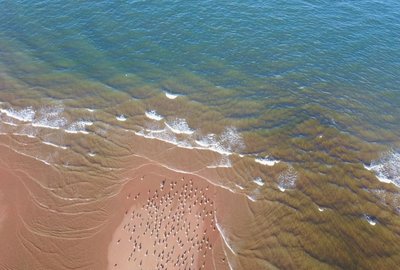
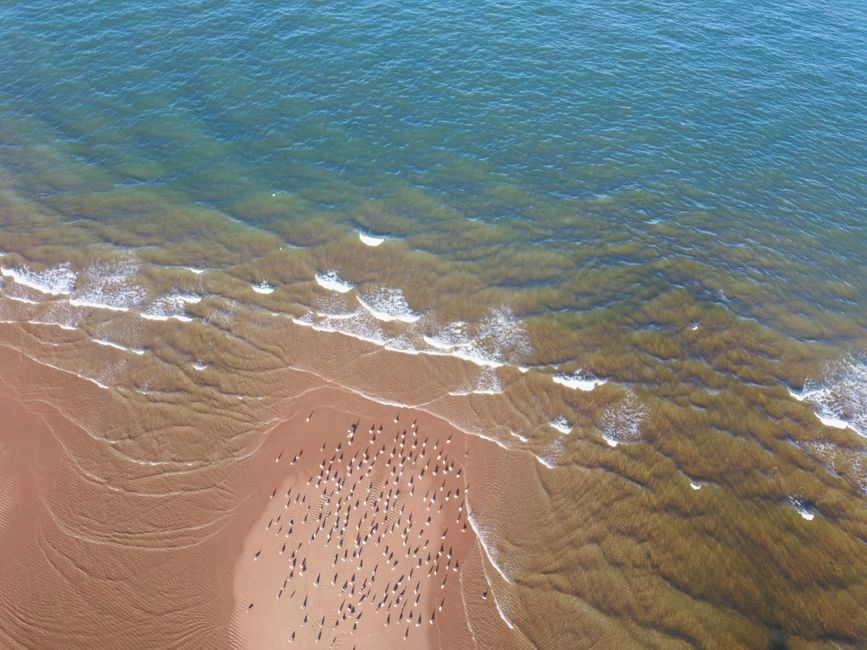
The best starting point is often an estuary or a sheltered bay, particularly in winter. These places concentrate birds in a way that makes them easy to watch, and the sheer numbers can be breathtaking. Waders such as oystercatchers, curlews, redshanks and dunlins gather on mudflats at low tide, probing the sediment for worms and shellfish. As the tide rises, they are pushed closer to the shore, and you can often watch them feeding just a few metres away from a comfortable bench or a café window.
Reading the Tides and Seasons
Understanding the tide is the single most useful skill a coastal birdwatcher can develop. Low tide exposes the feeding grounds, while high tide pushes birds to roost sites, often in saltmarsh or on rocky islets. The two hours either side of high tide can be particularly rewarding, as birds congregate and are easier to observe. A simple tide table, available free online or from a local harbour office, is worth more than any gadget.
Season matters just as much. Winter brings divers, grebes and sea ducks to Scottish waters, along with huge flocks of waders and wildfowl. Spring and autumn are the migration months, when almost anything can turn up, from rare warblers in coastal bushes to skeins of geese heading north or south. Summer is the time for breeding seabirds, with puffins, guillemots, razorbills and kittiwakes crowding the cliffs. Each season offers something different, and a coastline watched regularly through the year will reveal patterns that a single visit never could.
Cliff Colonies and Seabird Cities
For sheer spectacle, nothing quite matches a Scottish seabird colony in early summer. Places like the Bass Rock, the Isle of May and the cliffs of the north and west play host to tens of thousands of breeding birds. The noise, the smell and the constant motion are unforgettable, and even a short visit can transform the way you think about the natural world. Puffins, with their comical bills and whirring flight, are the crowd-pleasers, but take time to watch the guillemots and razorbills crammed onto narrow ledges, each bird balancing a single egg on its feet.
When visiting seabird colonies, remember that you are a guest in a nursery. Keep to paths, avoid disturbing birds on the cliff edge, and never approach a nest or a chick. A respectful distance protects the birds and gives you better views in the long run, as stressed birds tend to fly rather than pose.
Coastal birdwatching in Scotland rewards curiosity and repetition. Pick a stretch of shore near you, visit it through the seasons, and you will soon find that you know its birds as individuals and its rhythms as your own.


Thrush And Thistle
Practical planting and design ideas for turning a Scottish garden into a haven for birds, insects and everything in between.