Planting a Native Hedge for Scottish Birds
Garden Wildlife | September 10, 2026
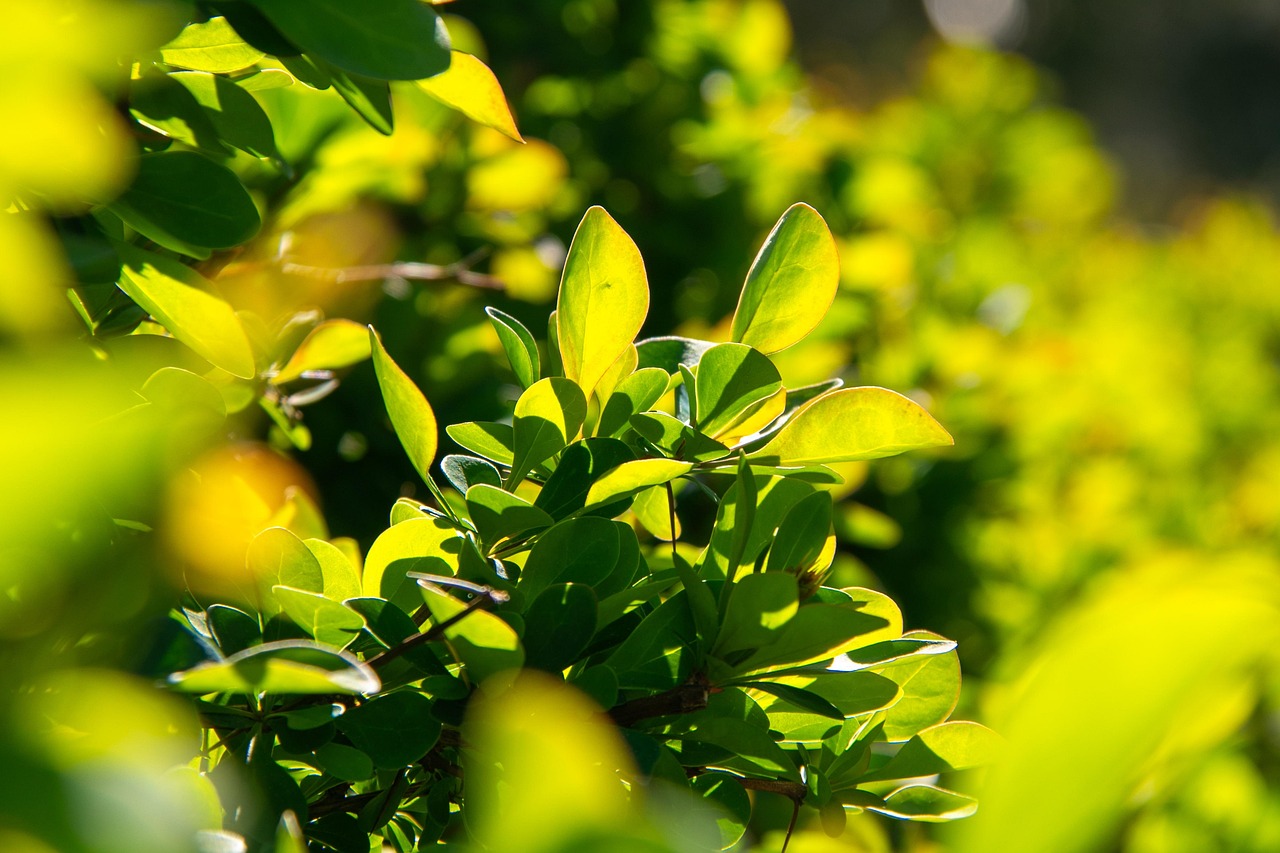
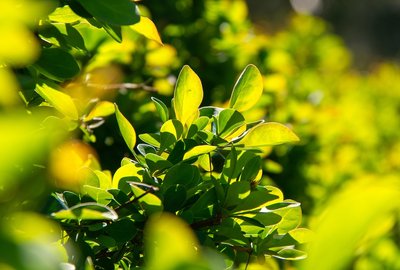
If you want to do one thing for the birds in your Scottish garden, plant a native hedge. It is not a quick fix, and it will take a few years to come into its own, but a mixed hedge of native species is one of the most valuable habitats you can create. It provides cover for birds to hide from predators, nesting sites in spring, and a supply of berries, seeds, and insects through the seasons. It also offers a gentle, natural boundary that is far more wildlife-friendly than a fence or a wall.
In Scotland, the choice of native hedging plants is generous. Hawthorn is the classic choice, with its dense, thorny growth and autumn haws that are a favourite of Redwings and Fieldfares. Blackthorn is another excellent option, flowering early and producing sloes later in the year. Holly provides evergreen cover and bright red berries in winter, while Hazel offers nuts and attractive catkins in early spring. Other good additions include Guelder Rose, Dog Rose, and Rowan, each bringing its own benefits.
Choosing and Planting Your Hedge
The best time to plant a bare-root hedge is between November and March, when the plants are dormant. Bare-root plants are cheaper than pot-grown ones and tend to establish well, provided they are kept watered in their first year. Prepare the ground by clearing weeds and digging in some well-rotted organic matter. Space the plants about 30 to 45 centimetres apart, in a staggered double row if you have space, as this creates a denser, more useful hedge. Water them in well and keep them watered through dry spells in the first summer.
A mixed hedge is better than a single species, as it will support a wider range of wildlife and will be more resilient to pests and diseases. Aim for a mix of at least three or four species, with a good proportion of thorny plants for nesting birds. If you have a small garden, even a short run of hedge, perhaps three or four metres, can make a real difference. You can also plant a hedge in a container if space is very limited, though it will need more careful watering.
Maintenance is straightforward. Hedges should be cut in late winter, before the nesting season begins, and only lightly. Avoid cutting between March and August, when birds may be nesting inside. A hedge that is trimmed into a tight, formal shape is less useful than one that is allowed to grow a little looser, with plenty of dense growth and some berries left for the birds. If you can, leave a section to grow taller and thicker, as this provides extra shelter.
The Wildlife Benefits of a Native Hedge
The benefits of a native hedge go far beyond birds. It will attract insects, which in turn feed the birds, and it will provide a corridor for wildlife to move through your garden. In spring, the blossom of Hawthorn and Blackthorn is a valuable source of nectar for bees and other pollinators. In autumn, the berries feed thrushes and other fruit-eating birds, while the dense growth offers roosting sites on cold nights. A hedge also helps to filter pollution, reduce noise, and provide a little privacy, making it a practical as well as an ecological choice.
For a Scottish garden, a native hedge is a long-term investment that pays back year after year. It will not be instant, and it may look sparse in its first season, but with patience it will become the beating heart of your garden's wildlife. Start small if you need to, and add to it over time. The birds will find it, and once they do, they will return again and again.


Thrush And Thistle
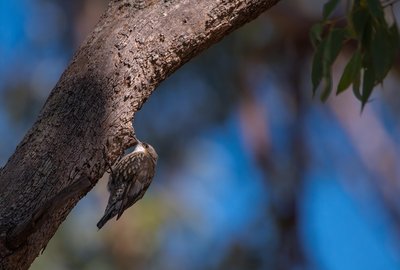
Often overlooked, the Treecreeper is a small, mouse-like bird that creeps up tree trunks with quiet determination, and it may be closer than you think.