The Great Spotted Woodpecker: Drumming in the Scottish Garden
Garden Birds | September 19, 2026
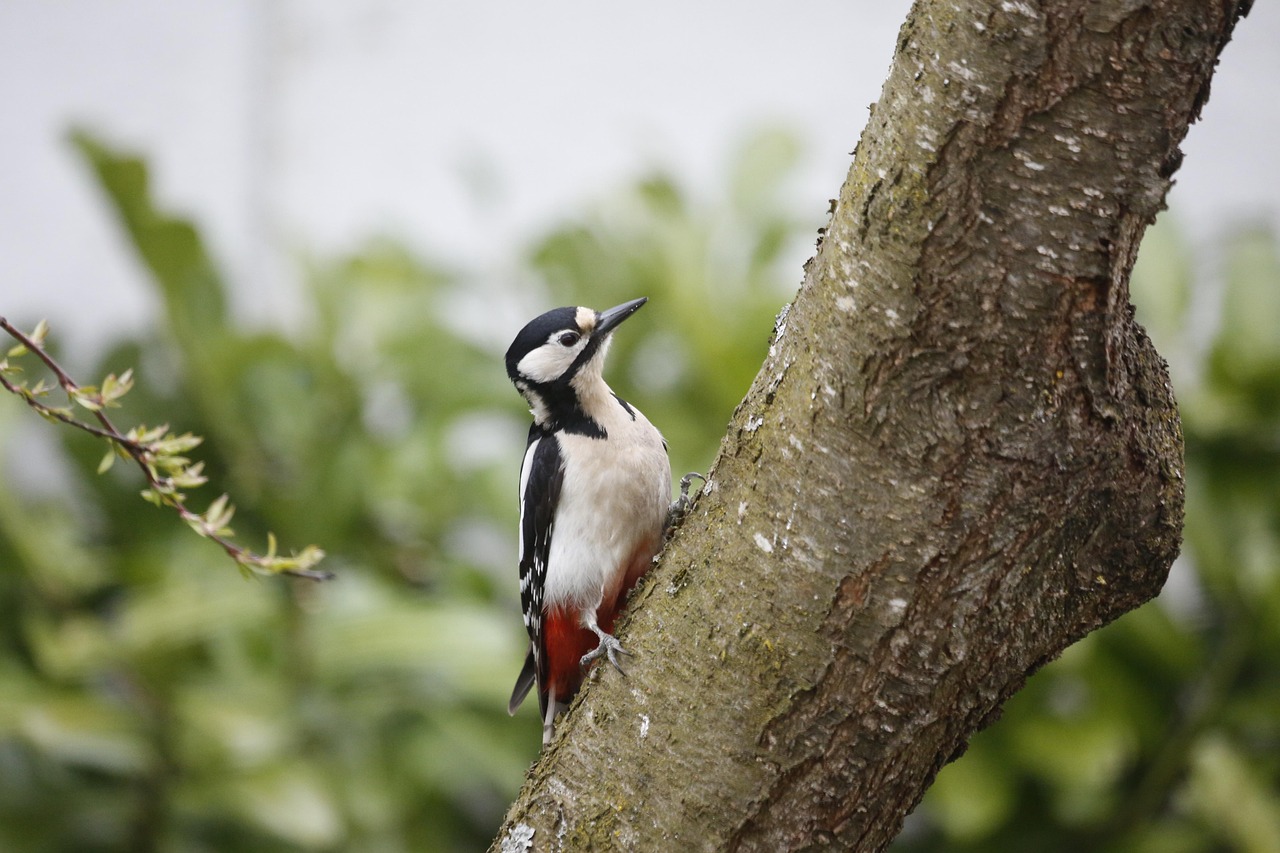
There are few sounds in a Scottish garden quite as arresting as the drumming of a Great Spotted Woodpecker. It arrives without warning, a rapid machine-gun rattle that carries across the neighbourhood and stops you mid-sentence. For years I assumed this was simply a bird hammering at a tree to find food, but the truth is more interesting. That drumming is a territorial announcement, a piece of percussion designed to travel far and wide, and it is one of the clearest signs that spring is beginning to stir.
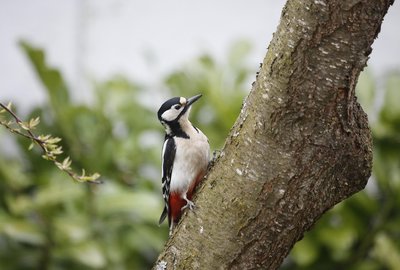
The Great Spotted Woodpecker is a striking bird, dressed in bold black and white with a flash of crimson on the underside of the tail and, in males, a vivid red patch on the back of the head. Once largely confined to mature woodland, it has become a familiar visitor to gardens across much of Scotland, particularly where there are older trees, established hedgerows, or a well-stocked peanut feeder. It is worth watching for the way it moves, hitching up a trunk in short jerks and bracing itself with stiff tail feathers like a climber's third leg.
Attracting Woodpeckers to Your Garden
If you would like to see one in your own garden, the single most effective thing you can do is offer a reliable supply of food. Great Spotted Woodpeckers are fond of peanuts, sunflower hearts, and suet, and they will readily take to a hanging feeder once they have found it. Because they are larger than most garden birds, they appreciate a feeder with a decent perch and a little space around it. A tree-mounted feeder or one hung from a sturdy branch tends to work best, giving the bird room to manoeuvre.
Beyond food, consider the structure of your garden. Woodpeckers need trees, and they particularly favour older specimens with rough bark and dead wood, which harbour insects and grubs. If you have a mature tree that is safe to keep, leaving a few dead branches in place can be a real draw. A supply of fresh water, especially a shallow bird bath, is also welcome, and woodpeckers will visit to drink and bathe, particularly in dry spells.
It is worth remembering that woodpeckers are shy and easily disturbed. A garden that offers cover, perhaps a dense hedge or a corner left a little wild, will encourage them to linger. Patience is essential; these are birds that tend to arrive, feed quickly, and depart, so keep your binoculars within reach and your movements slow.
Nesting and the Drumming Season
The drumming peaks between February and April, when males are establishing territories and advertising for mates. If you are lucky, you may later spot a pair excavating a nest hole, usually in a dead or decaying tree. The entrance is a neat, oval opening, and the birds will often return to the same tree in subsequent years. In gardens where old trees are in short supply, a purpose-built woodpecker nest box can occasionally be used, though natural cavities are always preferred.
Young woodpeckers, once fledged, are entertaining visitors, often following their parents and begging noisily for food. They can be surprisingly tame, and a juvenile clinging to a feeder while a parent looks on is one of the great pleasures of a Scottish garden in early summer. Whether you see one tomorrow or next year, the Great Spotted Woodpecker is a bird worth waiting for, and its drumming is a sound that never loses its power to surprise.


Thrush And Thistle
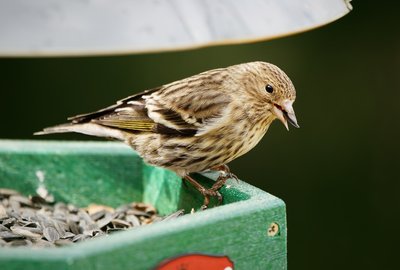
These restless, streaky little finches often appear in Scottish gardens just when the weather turns bitter, bringing a splash of yellow to the feeders.