
A Dawn Chorus Walk: Listening to Scotland Wake Up
Birdwatching Tips | September 13, 2026
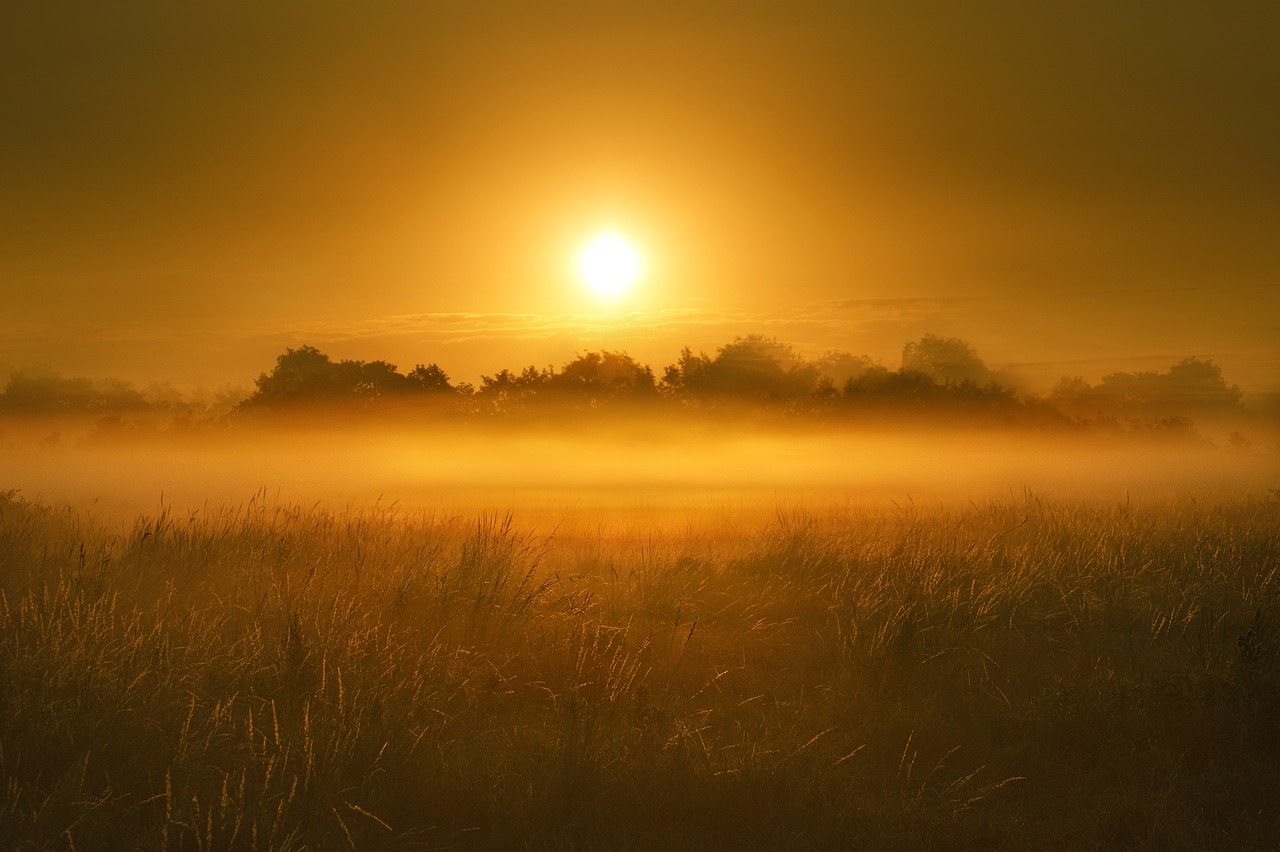
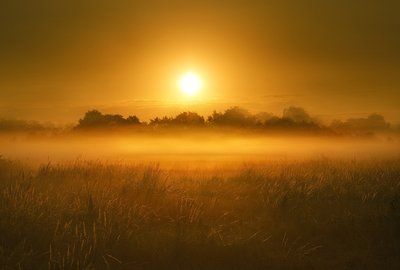
The alarm goes off at four in the morning, and every instinct tells you to stay in bed. But if you can persuade yourself to pull on a coat and step outside, you will be rewarded with one of the greatest free shows in nature. The dawn chorus is a phenomenon that unfolds across Scotland every spring, and it is not just for expert birdwatchers. Anyone with a pair of ears and a little patience can enjoy it, and it is by far the best way to learn to identify birds by their songs.
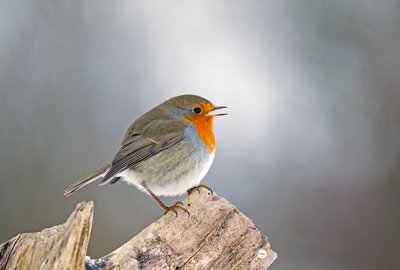
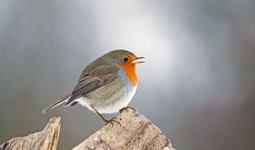
The chorus begins long before the sun appears. On a typical April or May morning, the first notes often come from a Robin, singing from a favourite perch while the sky is still dark. Then, one by one, other birds join in: Blackbirds with their rich, fluting phrases, Song Thrushes repeating their short phrases twice over, Wrens with an astonishingly loud burst of song for such a tiny bird. As the light grows, the chorus builds to a crescendo before gradually fading as the birds turn their attention to feeding.
Why Birds Sing at Dawn
The dawn chorus is not simply a celebration of a new day. It serves a serious purpose. At first light, the air is still and cool, which allows sound to travel further. This is the ideal time for male birds to advertise their territory and attract a mate, when their voices can carry across the neighbourhood. It is also a relatively quiet time, before the noise of human activity and the heat of the day interfere with sound. For the birds, singing at dawn is a competitive business, and the chorus is a series of overlapping claims to space and attention.
For the listener, this creates an opportunity. Because different species tend to start singing at slightly different times, you can often pick out individual voices more easily than later in the day. The Robin and the Blackbird are usually among the first, followed by the Song Thrush, the Wren, and then the tits and finches. Learning to recognise these voices takes practice, but it is a skill that grows quickly with repetition.
If you are new to bird song, start with a few common species and learn them well. The Robin's song is a clear, wistful series of notes, often described as sounding like a trickle of water. The Blackbird's is richer and more mellow, with a relaxed, fluting quality. The Song Thrush is the great repeater, singing each phrase two or three times before moving on. The Wren delivers a rapid, powerful trill that seems impossible for its size. Once you can pick out these four, you have a foundation for everything else.
Getting the Most from a Dawn Walk
You do not need special equipment, though a pair of binoculars and a notebook are helpful. Choose a route that takes you through a mix of habitats, perhaps a woodland edge, a hedgerow, and a garden or park. Walk slowly and stop often. Try to locate the singer, but do not worry if you cannot see it; identifying by sound alone is a valuable skill. If you have a smartphone, you can use a recording app to capture songs and check them later, but be careful not to let the technology distract you from the experience.
Dress warmly, as dawn can be cold even in late spring, and bring a flask of something hot. The chorus typically peaks in the hour around sunrise, so aim to be in position at least twenty minutes before. As the weeks pass, the chorus will change, with early singers giving way to later arrivals like the Chiffchaff and the Willow Warbler. Each walk offers something different, and the more often you go, the more you will hear. It is a gentle, rewarding way to connect with the natural world, and it costs nothing but an early start.


Thrush And Thistle
A native hedge is one of the best investments you can make for garden birds, offering food, shelter, and nesting sites in one living structure.