Creating a Wildlife-Friendly Garden in a Scottish Climate
Garden Habitat | September 28, 2026
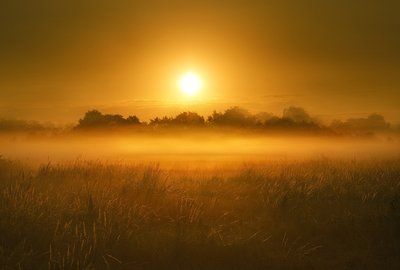
Scottish gardeners learn early that the weather has opinions. Wind, rain and a short growing season shape what will thrive, but they also create opportunities. A garden designed with the local climate in mind, rather than against it, can be both beautiful and a genuine refuge for wildlife. The key is to think in layers, to choose plants that earn their place, and to accept a little untidiness as a virtue rather than a failing.
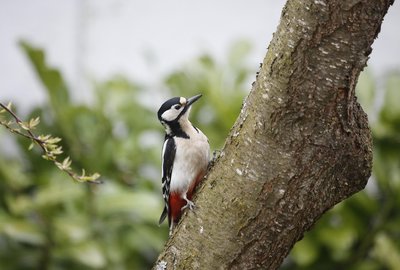
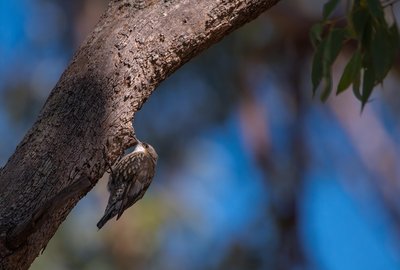
Start with structure. Native trees and shrubs such as rowan, hawthorn, holly and hazel provide food, shelter and nesting sites in one package. Rowan berries feed thrushes and waxwings in autumn, while hawthorn hedges offer dense, thorny cover where small birds can roost safely. A mixed hedge is far more valuable than a fence, and once established it will need little attention beyond an occasional trim, ideally in late winter to avoid disturbing nesting birds.
Planting for Birds and Insects
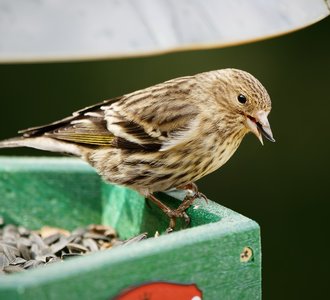
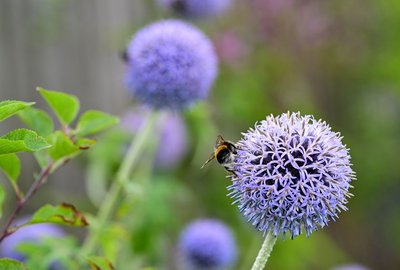
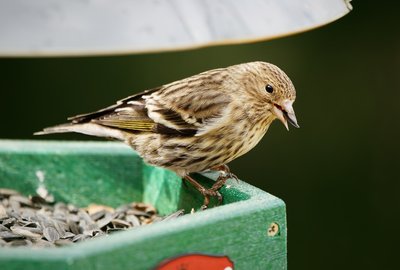
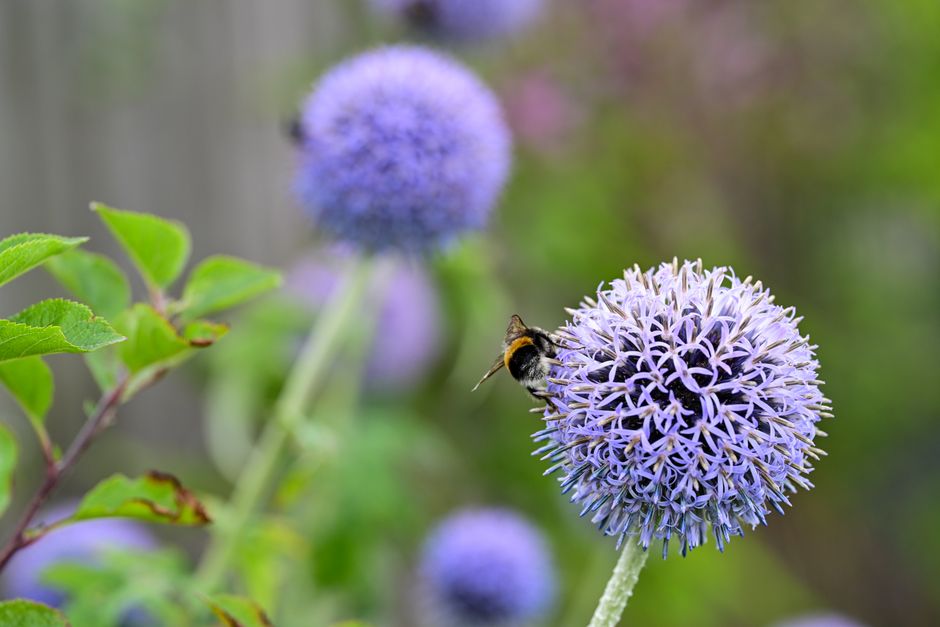
Beyond the hedge, aim for a long season of flowers and seeds. Early nectar from willow, dandelion and lungwort supports bees emerging from hibernation, while later blooms such as knapweed, scabious and foxglove keep insects fed through summer. Let some of these go to seed, and you will attract goldfinches, siskins and redpolls to the garden in autumn. If you have room, a small patch of native wildflower meadow, even a square metre, will repay you many times over in insect life.
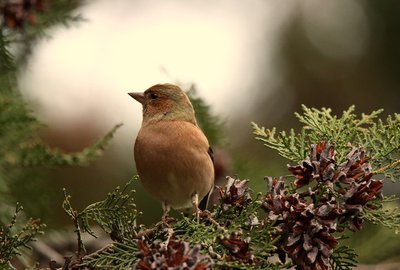
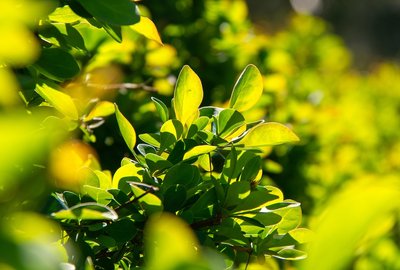
Berries are another mainstay. Cotoneaster, pyracantha and ivy all provide winter food, and ivy in particular is a superb wildlife plant, offering nectar in late autumn when little else is in flower, dense cover for nesting and roosting, and berries for thrushes in spring. Do not be in a hurry to cut it back.
Water is often overlooked. A simple bird bath, kept clean and ice-free in winter, will draw in birds that might otherwise pass by. If you can manage a small pond, even a sunken basin, you will add dragonflies, frogs and a whole community of insects to the garden. Site it away from overhanging trees to reduce leaf fall, and make sure there is a gently sloping edge so that wildlife can get in and out safely.
Working With the Weather
Shelter is precious in Scotland. A garden exposed to prevailing winds will struggle to attract birds, so use hedges, trees and even a well-placed shed or fence to create calm pockets. A south-facing wall absorbs warmth and creates a microclimate where you can grow more tender plants, and the insects drawn to them will in turn feed the birds.
Finally, resist the urge to tidy everything. Seed heads left standing, a pile of logs in a corner, a patch of nettles behind the shed, all of these are habitat. A garden that looks a little wild at the edges is often the one most alive with birdsong. The reward is not just wildlife, but a garden that feels connected to the place it sits in, shaped by Scottish weather and Scottish species alike.


Thrush And Thistle
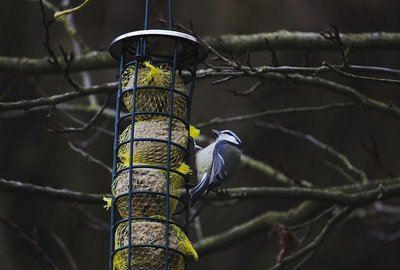
What to feed, when to feed and how to keep your garden birds healthy during the hardest months of the year.