
The Treecreeper: A Quiet Master of the Scottish Woodland
Garden Birds | September 7, 2026
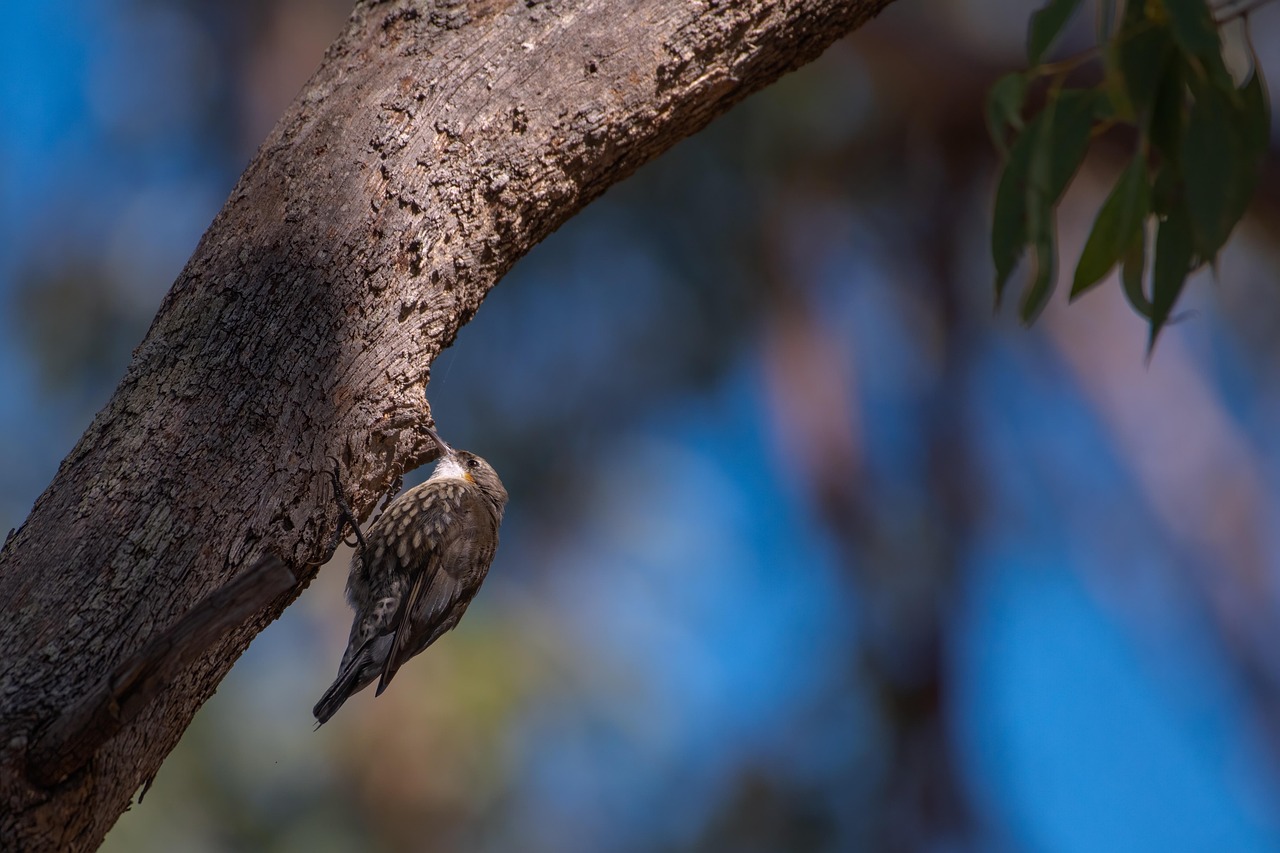
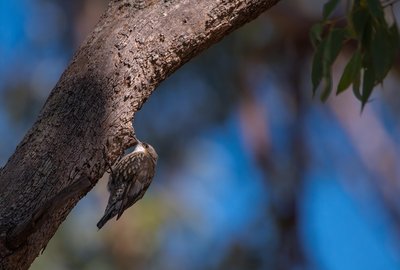
There is a bird in our woodlands that is easy to miss, even when it is right in front of you. The Treecreeper is a small, brown, mottled creature that behaves more like a mouse than a bird, creeping up the trunks of trees in a series of short, jerky hops. It is not brightly coloured, and it does not sing a loud song, but once you learn to recognise it, you begin to see it everywhere. For the observant garden birdwatcher, it is a quiet delight.
Treecreepers are found across much of Scotland, wherever there are mature trees. They are particularly associated with broadleaved woodland, but they also occur in parks, large gardens, and even in older hedgerows with standard trees. Their plumage is a beautiful mix of brown, white, and buff, with a slender, curved bill that is perfectly adapted for probing into bark crevices. The tail is stiff and pointed, used as a prop as the bird climbs, much like a woodpecker, though the Treecreeper always moves upwards, spiralling around the trunk from the base towards the crown.
How to Spot a Treecreeper
The best way to find a Treecreeper is to watch for movement on tree trunks. Look for a small, pale shape moving upwards in short bursts, often pausing to probe the bark. Unlike the Nuthatch, which can move both up and down, the Treecreeper typically works its way upwards, then flies to the base of the next tree to begin again. Its flight is weak and fluttering, and it often lands low on a trunk before starting its ascent. The call is a thin, high-pitched 'see-see', easily overlooked but worth learning.
In the garden, Treecreepers are most likely to appear where there are large, mature trees with rough bark. They are not regular feeder visitors, though they will occasionally take suet or peanut fragments, especially in cold weather. They are more likely to be seen foraging on the trunks of oaks, ashes, and sycamores, searching for spiders, insects, and larvae hidden in the crevices. If you have an old tree in or near your garden, it is worth checking it regularly, particularly in winter when the birds are less secretive.
Treecreepers are resident birds, staying in their territories year-round. In winter, they may join mixed flocks of tits and other small birds, moving through the woodland in search of food. This is often the best time to see them, as they become more active and may venture closer to gardens. They are also known to roost in crevices in bark or behind loose pieces of wood, sometimes huddling together for warmth on cold nights.
Encouraging Treecreepers to Your Garden
Because Treecreepers are so closely tied to trees, the best way to encourage them is to retain mature trees wherever possible. If you are planting, consider native species like oak, birch, and rowan, which support a rich variety of insects. Avoid removing dead wood unless it is unsafe, as this is a valuable habitat for many invertebrates and a potential foraging site for Treecreepers. A garden that keeps a few old trees and a layered structure of shrubs and hedges will be far more attractive to them than a tidy, open space.
Treecreepers will use nest boxes, though they are not as quick to adopt them as tits or sparrows. A box designed for them has a narrow, vertical entrance slit, often placed low on a tree trunk, and it should be positioned so that the entrance is not exposed to strong sunlight. If you are lucky enough to have a pair nesting, keep disturbance to a minimum and enjoy the sight of the adults bringing food to the nest. Even if you never see one in your garden, knowing that these quiet birds are out there, working their way up the trunks, adds a layer of richness to any walk in the woods.


Thrush And Thistle
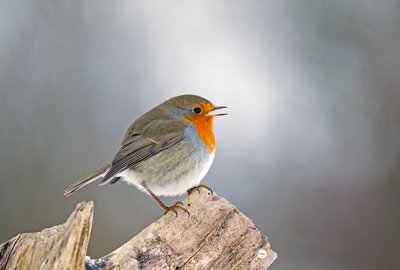
Why the humble robin stays with us through every Scottish season and how to keep it thriving in your garden.