
Winter Feeding: Keeping Scottish Garden Birds Alive Through the Cold
Feeding & Care | September 25, 2026
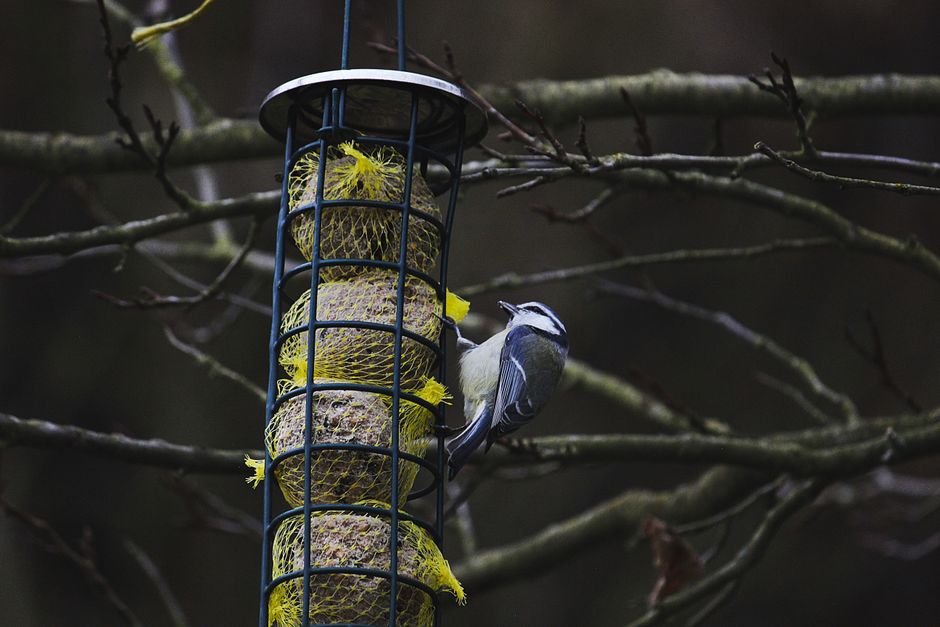
By the time January arrives, Scotland's garden birds are living on a knife edge. Short days leave little time to find food, and hard frosts seal away the insects and worms that many species depend on. A well-stocked feeder can mean the difference between surviving the night and not, and it is one of the simplest, most rewarding things a gardener can do. But feeding well takes a little thought, and a few small adjustments can make your garden a genuine lifeline.
The first rule is consistency. Birds learn where food is available and will return day after day, sometimes at the same hour. If you start feeding in autumn, keep going through winter and into spring, when adults are still feeding young and natural food is scarce. Sudden gaps in supply can be genuinely harmful, as birds may have come to rely on your garden and will waste precious energy searching for food that is no longer there.
Choosing the Right Food
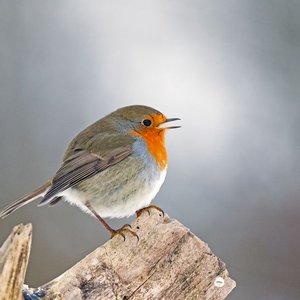
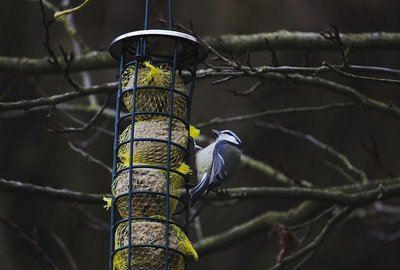
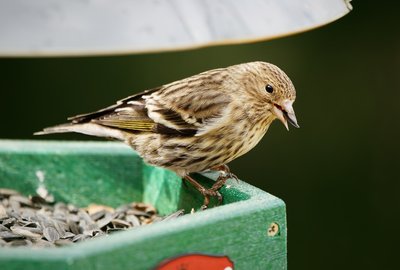
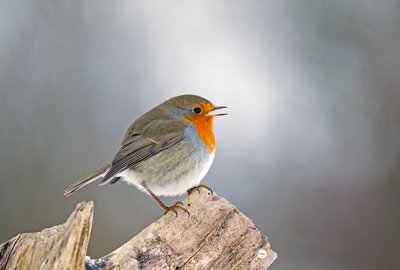
Different birds want different things, and offering a variety is the surest way to attract a range of species. Sunflower hearts are the single best all-round food, taken by almost everything from blue tits to goldfinches, and they leave no messy husks behind. Suet balls and pellets provide high-energy fat, particularly valuable in the coldest weather, while nyjer seed is a favourite of finches and siskins. Mealworms, live or dried, are irresistible to robins, wrens and pied wagtails, and can tip the balance for insect-eaters during a long freeze.
Avoid bread, which offers little nutrition and can foul the water, and be cautious with salted or cooked leftovers. If you put out kitchen scraps, stick to plain, unsalted items such as grated cheese, cooked rice or pastry in small quantities.
Hygiene matters more than many people realise. Feeders that are not cleaned regularly can spread disease, particularly the finch trichomonosis that has hit greenfinches hard in recent years. Wash feeders every couple of weeks with hot, soapy water, rinse thoroughly and allow them to dry before refilling. Move feeders around the garden occasionally to prevent a build-up of droppings and mould on the ground below.
Water, Shelter and Safety
Frozen ground means frozen water, and birds need to drink and bathe even in the depths of winter. A shallow dish, refreshed daily and kept free of ice, is a small but vital addition. If you can, place it in a sunny, sheltered spot where it is less likely to freeze solid overnight.
Shelter is equally important. Evergreen shrubs, dense hedges and even a brush pile in a corner give birds somewhere to roost out of the wind and escape predators. A garden with a good mix of cover and open feeding areas will always hold more birds than one that is bare and exposed.
Finally, think about cats. A bell on the collar helps, but the most effective measure is to keep feeders well away from low cover where a cat can lie in wait. A feeder on a smooth pole, positioned a few metres from any hedge or bush, gives birds a clear line of sight and a fair chance. With a little care, your winter garden can become a busy, chattering refuge, and you will have the pleasure of knowing you helped see it through.


Thrush And Thistle
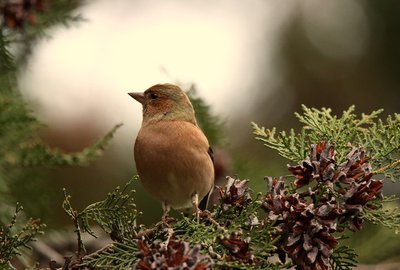
Often taken for granted, the chaffinch is one of our most colourful and characterful garden visitors, with a voice to match.