Siskins: The Small Yellow Visitors of Late Winter
Seasonal Birding | September 16, 2026
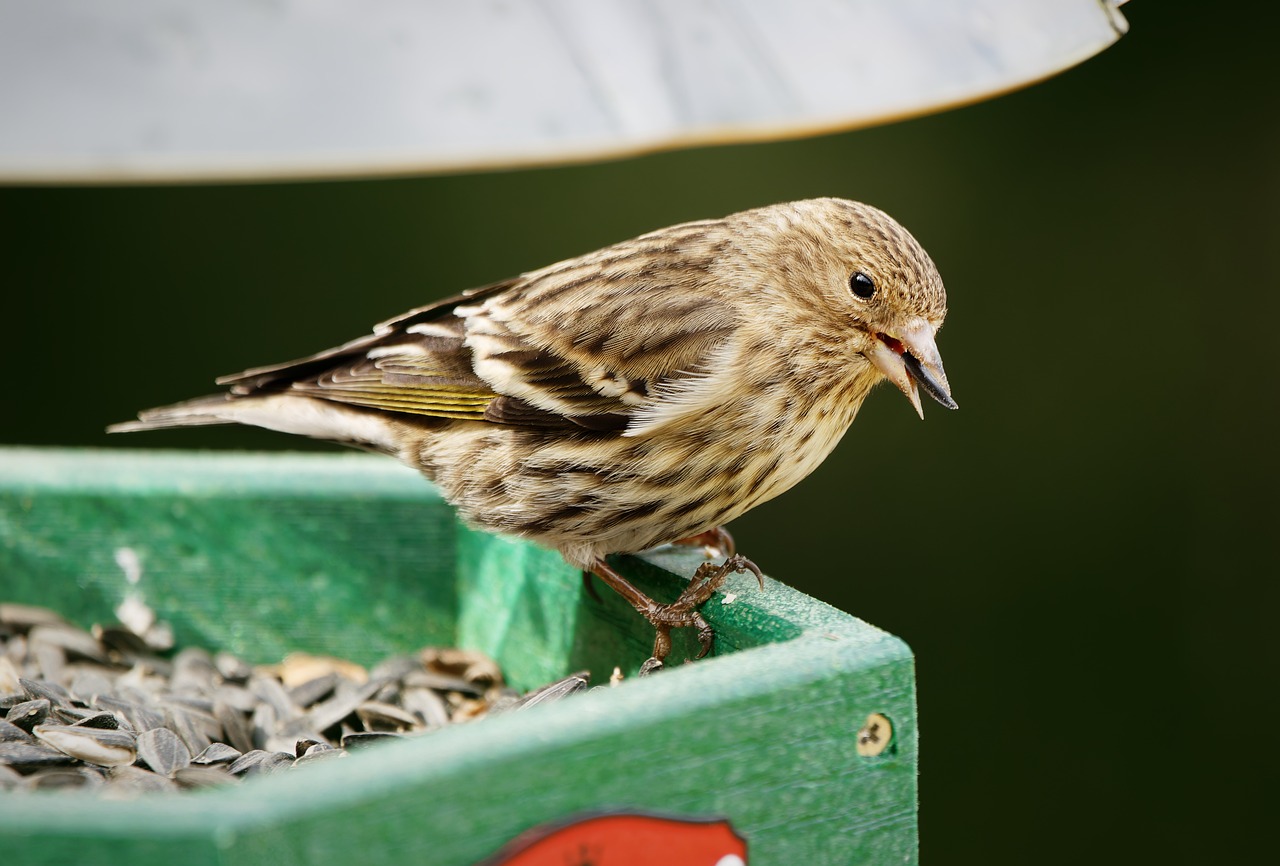
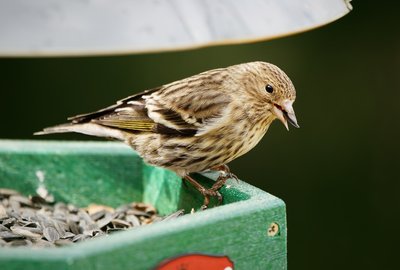
Every winter, usually around the time the first hard frosts settle into the glens, a new bird appears at the feeders. It is small, streaky, and quick, with a flash of yellow that catches the eye. The Siskin is one of those garden visitors that feels like a gift, a bird that is not always present and whose arrival seems tied to the rhythms of the wider countryside. In Scotland, Siskins are increasingly common in gardens, particularly in the north and west, but they remain unpredictable enough to make every sighting feel special.
Siskins are members of the finch family, closely related to the familiar Goldfinch but with a more subdued, greenish-yellow plumage and a distinctly streaky breast. Males show a brighter yellow-green wash and a smart black cap, while females and young birds are more muted. They are restless birds, rarely still for long, and they often arrive in loose flocks that chatter constantly as they move between feeders and nearby trees. Their call, a sharp, rising 'tsuu', is a useful clue that they are about.
Why Siskins Come to Gardens
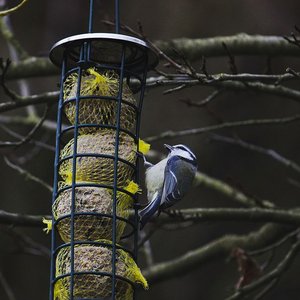
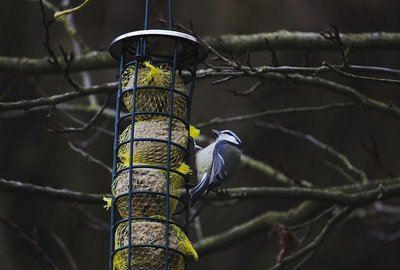
Siskins are primarily birds of coniferous woodland, where they feed on seeds from spruce and pine. In winter, however, natural seed supplies can become scarce, and the birds move in search of food. This is when they discover garden feeders, and once they do, they can become remarkably loyal visitors. They are particularly fond of nyjer seed and sunflower hearts, and they will also take peanuts and suet. A feeder filled with small seeds is often the key to attracting them, and they seem to prefer hanging feeders where they can cling and feed acrobatically.
If you are fortunate enough to have Siskins in your garden, you may notice that they are prone to a condition called avian pox, which can cause growths on the face and feet. This is a reminder of the importance of keeping feeders clean. A regular routine of washing with hot, soapy water and rinsing thoroughly, ideally every week or two during busy periods, helps protect all your garden birds. If you see a bird that appears unwell, it is worth temporarily removing feeders and cleaning them thoroughly before putting them back.
Unlike some finches, Siskins are not particularly aggressive, though they can be feisty when competing for a perch. They often feed alongside Goldfinches and Redpolls, and a mixed flock of small finches at a feeder is one of the delights of a Scottish winter. They are also less tied to gardens than some species, so their presence can be fleeting; a flock may stay for a few weeks and then vanish as suddenly as it arrived.
Making Your Garden Siskin-Friendly
To encourage Siskins, think about providing a variety of small seeds and a feeder that allows them to cling. Nyjer is a favourite, but it needs a dedicated feeder with tiny ports, as the seeds are very fine. Sunflower hearts are a good all-round option and are less messy than whole sunflower seeds. If you have space, planting alder or birch trees can also help, as Siskins feed on the seeds of these trees in the wild and may be drawn to a garden that offers similar fare.
Water is important too, especially in freezing weather. A bird bath that is kept ice-free, perhaps with a gentle heater or by regularly topping up with warm water, can be a lifeline for small birds. Siskins will come down to drink and bathe, and a garden that offers both food and water is far more likely to hold them. Whether they stay for a day or a whole season, these little yellow visitors bring a welcome spark of life to the coldest months, and their arrival is always a reason to pause and watch.


Thrush And Thistle
There is no better way to learn bird song than to step outside before sunrise, and a Scottish spring morning offers a chorus like no other.