The Charm of the Chaffinch: Scotland's Most Overlooked Garden Bird
Garden Birds | September 22, 2026
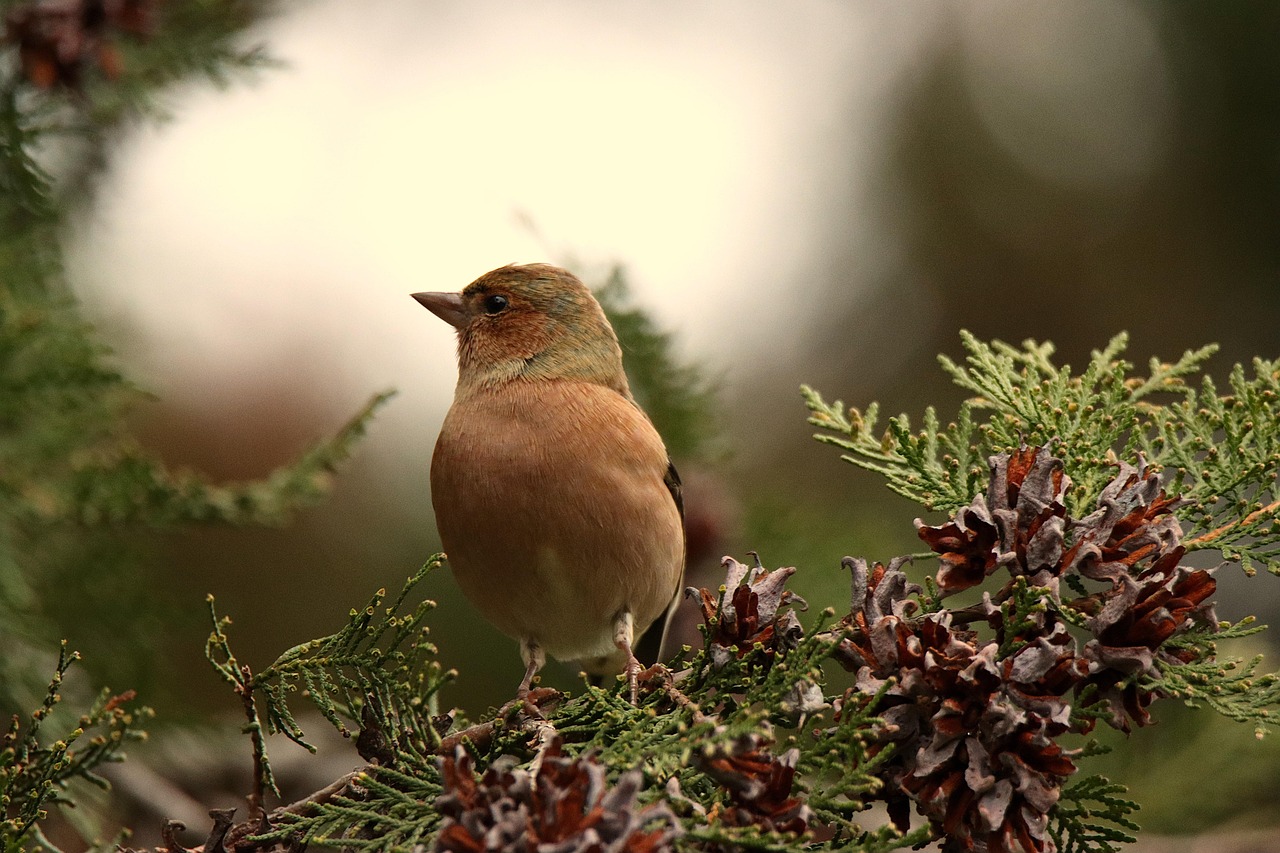
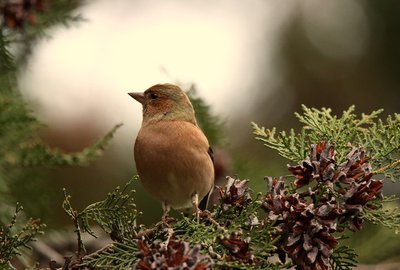
The chaffinch is so common in Scottish gardens that it is easy to overlook. It arrives at the feeder with a businesslike air, takes its fill of seeds and moves on, and many of us barely glance up. Yet look closely, particularly in spring, and you will see one of our most handsome small birds, a creature of subtle pinks, blues and chestnut whose song is one of the defining sounds of a Scottish spring.
The male chaffinch in breeding plumage is a genuine beauty. His breast is a soft pinkish-rust, his crown and nape a cool blue-grey, and his wings carry bold white bars that flash as he flies. The female is altogether quieter in tone, a study in browns and greys, but she has a quiet elegance of her own. In winter, the colours of the male fade somewhat, and the birds gather in mixed flocks that move through hedgerows and woodland edges, often in the company of bramblings in a hard season.
Song and Behaviour
Come February and March, the chaffinch's song begins to ring out from the tops of trees and hedges. It is a bright, descending cascade of notes, often ending with a flourish, and it is delivered with real enthusiasm. Males sing to defend territory and attract a mate, and a good singer will often hold a prime patch. Listen too for the sharp, insistent 'pink' call, which is one of the most familiar sounds of a Scottish garden and a useful clue to a flock moving through.
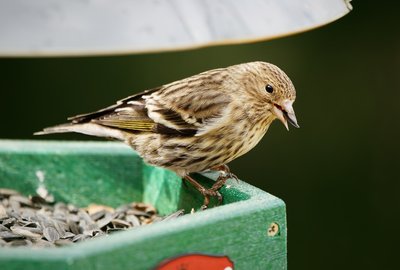
Chaffinches are ground feeders as much as they are feeder birds. Watch them in winter and you will see them hopping about beneath the feeders, picking up the seeds that other birds have knocked down. They are also fond of beech mast and other tree seeds, and in autumn you may find them in woodland, working through the leaf litter in the company of tits and nuthatches.
Their behaviour at the feeder is worth watching. Chaffinches are not the most assertive of birds, and they will often wait their turn while blue tits and great tits dart in and out. A single male may hold a small territory around a favoured feeder, chasing off rivals with a quiet determination. It is a gentle sort of dominance, and it rarely escalates into anything more than a brief flurry of wings.
Encouraging Chaffinches to Your Garden
Chaffinches are easy to please. They take sunflower hearts, smaller seeds and suet, and they are particularly fond of feeding on the ground beneath a hanging feeder. If you want to keep them around, avoid sweeping up every fallen seed, and consider leaving a small area of the garden a little rough, with leaf litter and low cover where they can feed in safety.
They also benefit from a good hedge. Chaffinches nest in the forks of shrubs and trees, often quite low down, and a mixed native hedge of hawthorn, blackthorn and hazel is ideal. The same hedge will provide insect food for their chicks in spring, when the adults switch from seeds to caterpillars and other soft-bodied prey.
In a world of declining garden birds, the chaffinch remains reassuringly abundant in Scotland, but it deserves more attention than it gets. Next time one lands on your feeder, take a moment to look properly. The pink breast, the blue-grey crown, the white wing bars, all are worth the pause, and the bird itself, steady, sociable and full of song, is one of the quiet pleasures of a Scottish garden.


Thrush And Thistle
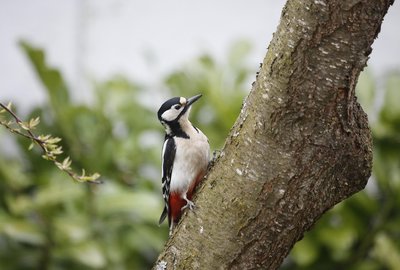
That sudden burst of drumming on a spring morning is one of the most thrilling sounds a Scottish gardener can hear, and the culprit is usually closer than you think.