

The Robin: Scotland's Year-Round Companion
Garden Birds | October 4, 2026
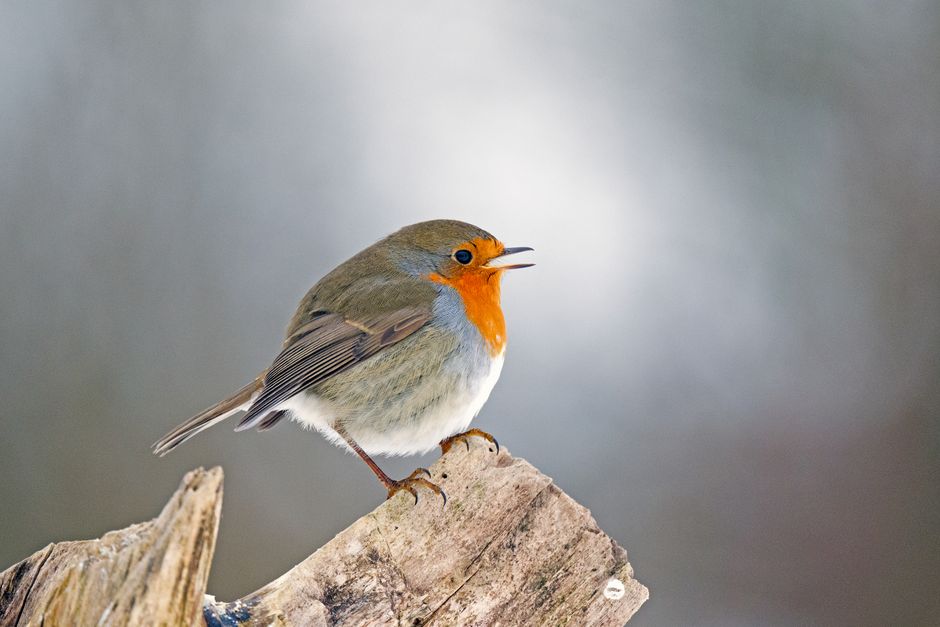
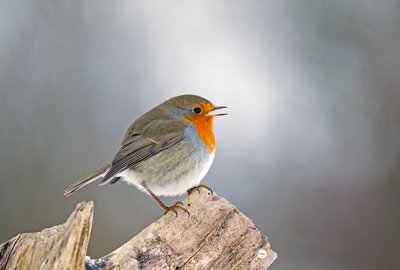
There is something quietly reassuring about a robin. While many of our garden visitors come and go with the turning of the year, the robin is a constant presence, flitting about the borders and perching on the spade handle the moment you turn your back. In Scotland, the robin holds a special place in the national affection, appearing on Christmas cards and in folk songs, yet it is in the ordinary, unglamorous days of January and February that it truly earns its keep.
Robins are fiercely territorial, and the bird singing from your hedge in the depths of winter is almost certainly the same one you will see nesting in spring. Both males and females hold territory through the colder months, and their song is one of the few that carries through frosty mornings when most other birds have fallen silent. If you listen carefully on a still December day, you may hear the thin, wistful notes of a robin declaring ownership of what it considers to be its patch, which may well include your garden.
Feeding Robins Through the Year
Robins are not fussy eaters, but they do have preferences. In winter, they rely heavily on insects, worms and berries, and a helping hand from the garden feeder can make a real difference during a hard frost. Mealworms, either dried or live, are a particular favourite, and a small dish of them placed on a sheltered bird table will often bring a robin down within minutes. They will also take suet pellets, crumbled fat balls and finely chopped nuts, though they tend to avoid the larger seeds that attract finches and sparrows.
One of the joys of feeding robins is their boldness. Unlike many garden birds, they will often come within a few feet of a patient observer, cocking their head to one side as if weighing you up. This tameness has its roots in their natural behaviour, following large animals to pick up insects disturbed by their movement. In your garden, you are the large animal, and a robin that associates you with food will quickly become a familiar companion.
Nesting and the Spring Garden
As spring approaches, robins begin to pair up and seek out nesting sites. They are remarkably adaptable, using everything from a purpose-built nest box to an old kettle, a flowerpot or a hollow in a wall. If you want to encourage them, a open-fronted nest box tucked into a sheltered corner, ideally hidden by ivy or a climbing plant, is often gratefully received. Avoid disturbing the area once nesting begins, as robins can be surprisingly sensitive despite their boldness at the feeder.
The chicks are fed almost entirely on insects, so a garden that leaves a little wildness about it, a patch of long grass, a log pile, some native shrubs, will support far more robins than a manicured lawn ever could. It is a pleasing thought that the same bird that brightened your winter can raise a family just a few feet from your kitchen window, provided the garden offers it enough cover and enough to eat.
So as the year turns and the days lengthen, keep an eye on your resident robin. It has weathered the storms with you, and with a little kindness it will reward you with song, company and the quiet satisfaction of watching a wild creature make its home alongside your own.


Thrush And Thistle
From rocky shores to estuaries, Scotland's coastline offers some of the finest birdwatching in Britain for those willing to wrap up warm.